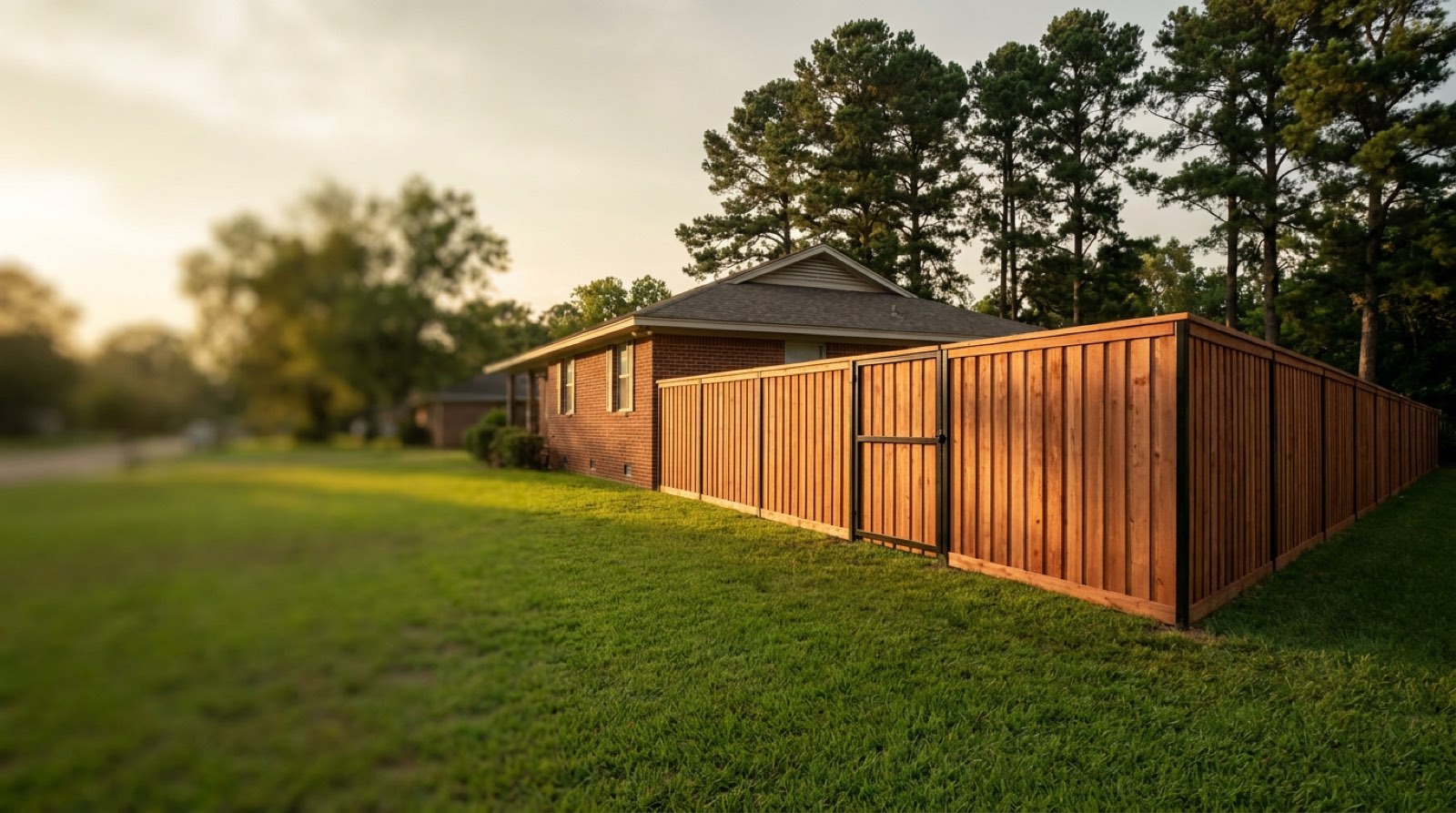
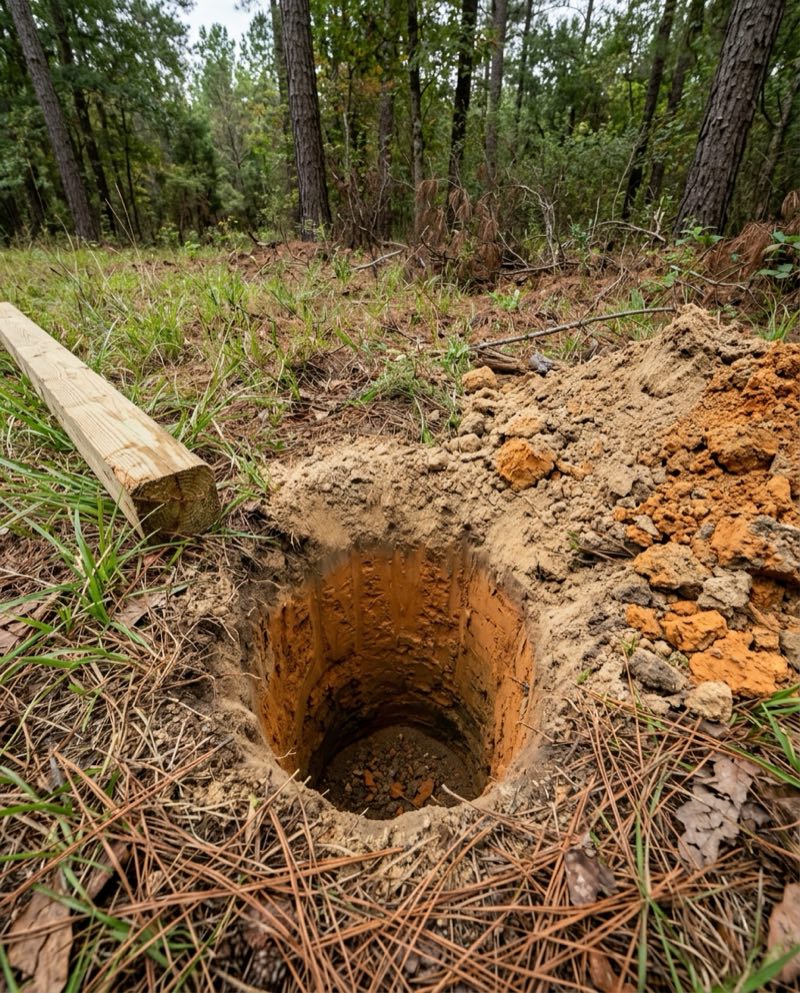
Wood privacy, cedar, ranch, iron and chain link fences installed and repaired in Tyler and the towns around it. Posts set in concrete, deep enough for sandy soil over clay.
We’ll call to set up a time to measure. To talk sooner, call (903) 560-4422
Something went wrong sending your request. Please call (903) 560-4422 and we’ll take the details over the phone. Your answers are still filled in below if you’d rather try again.
Each one has its own page with materials, heights and what to ask before you buy.

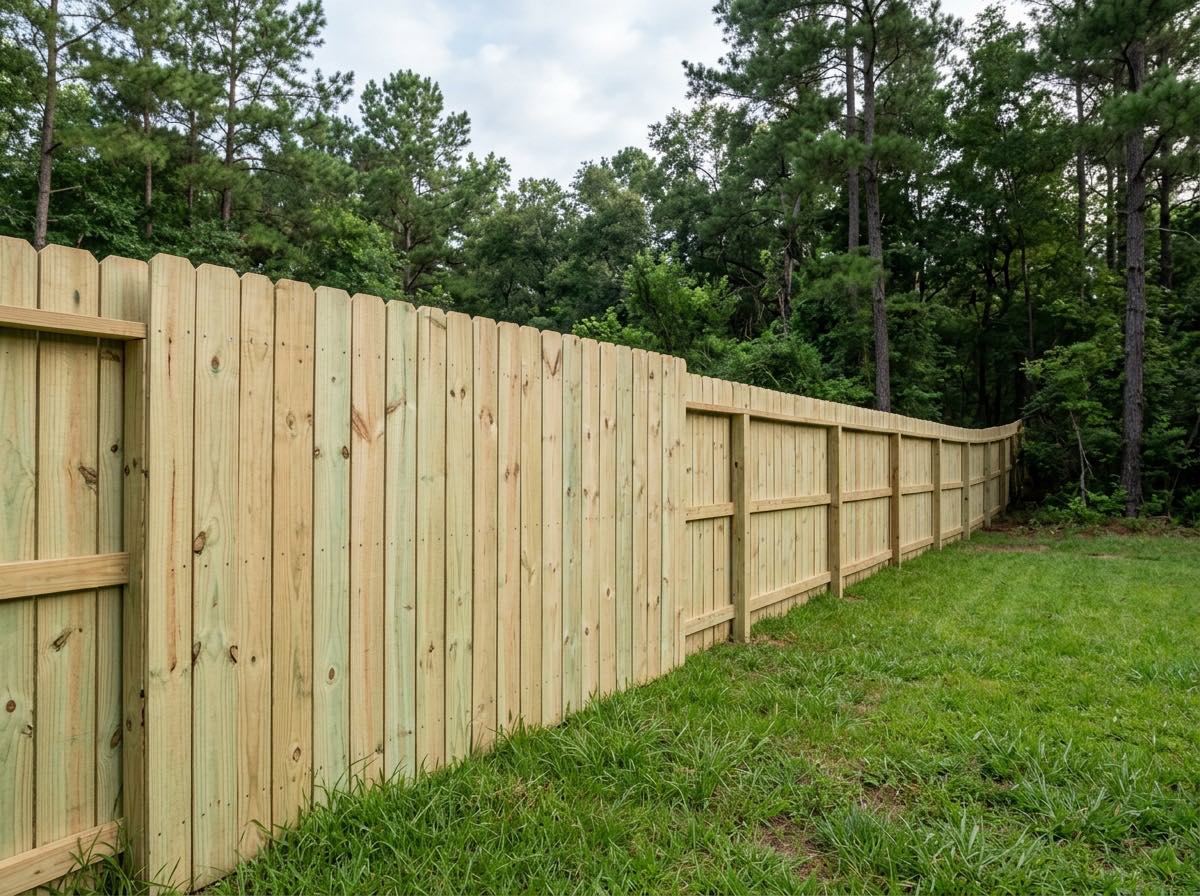
Pressure-treated pine, 6 or 8 ft, dog-ear, flat-top or shadowbox.

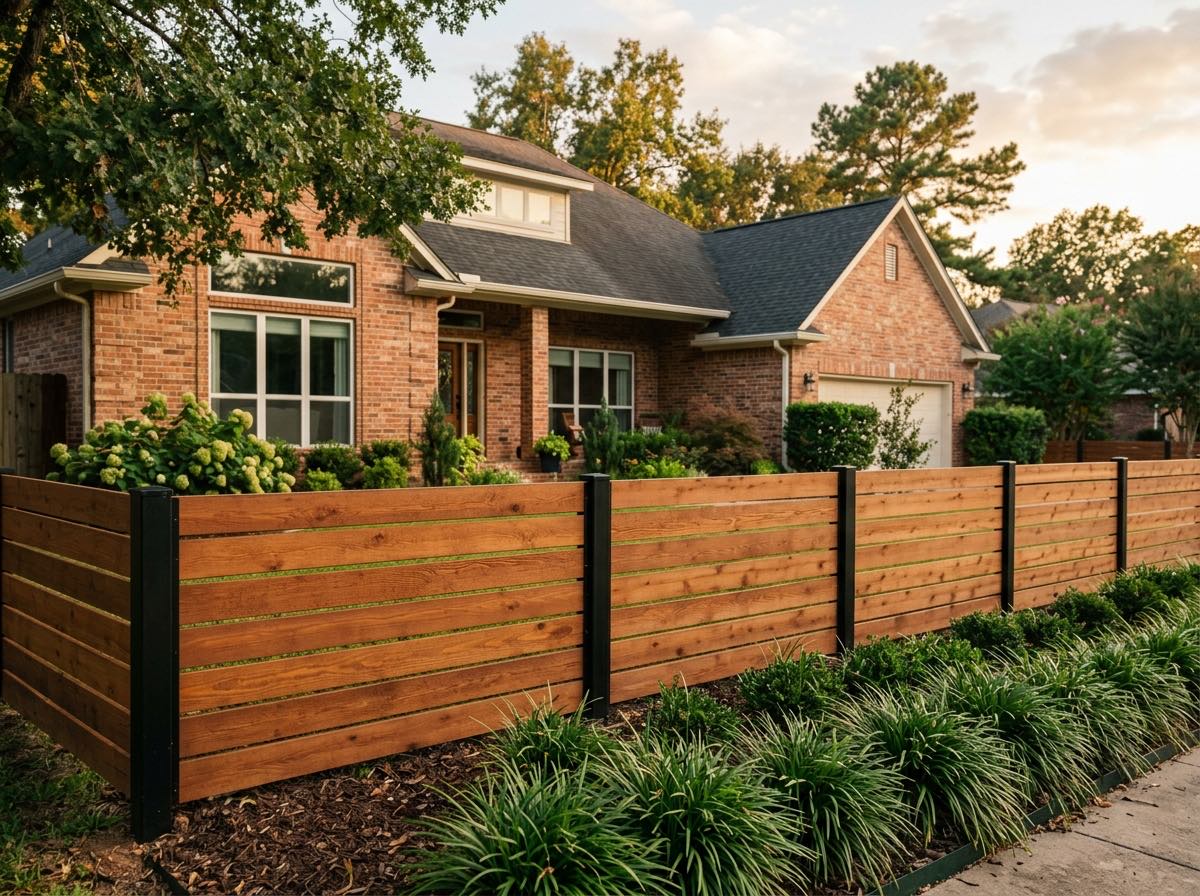
Board-on-board, horizontal slat and picket fences in cedar.

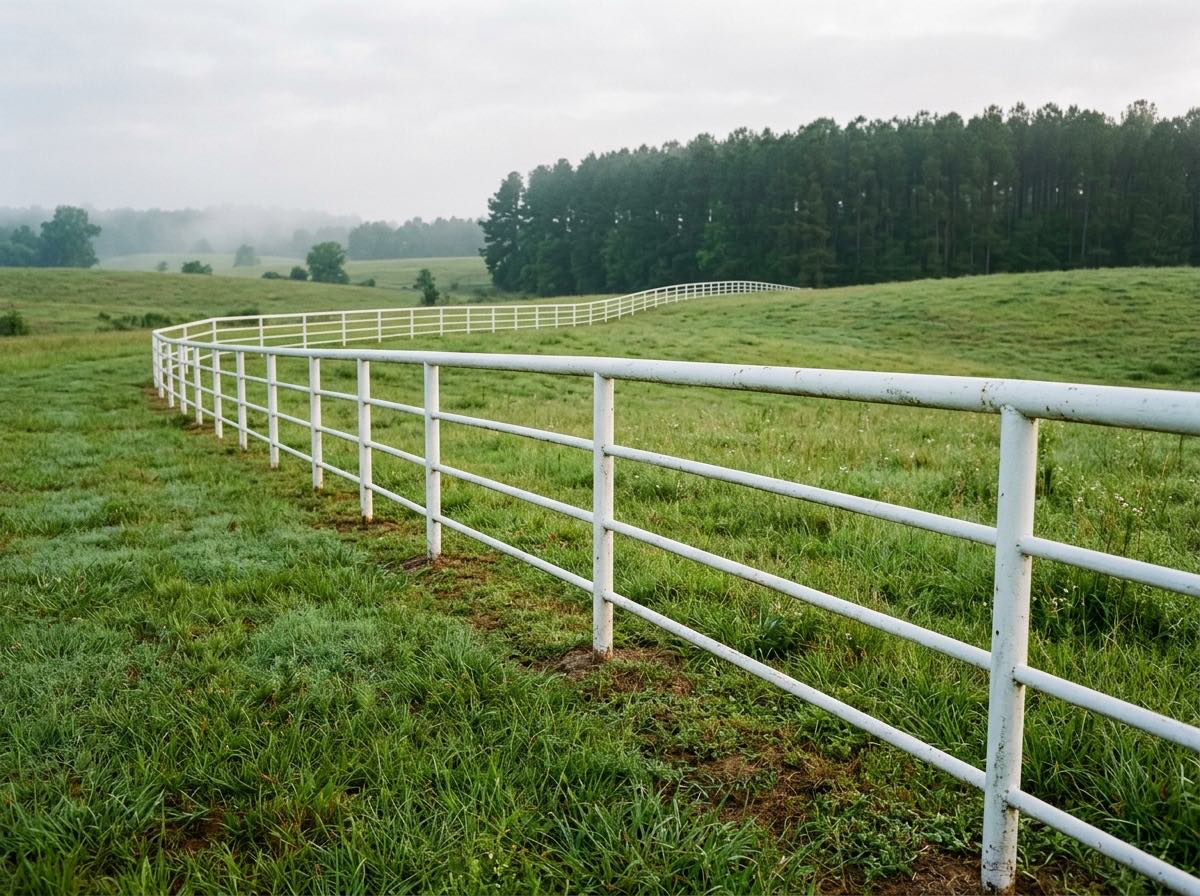
Welded pipe, pipe and cable, and wire fencing for acreage and livestock.

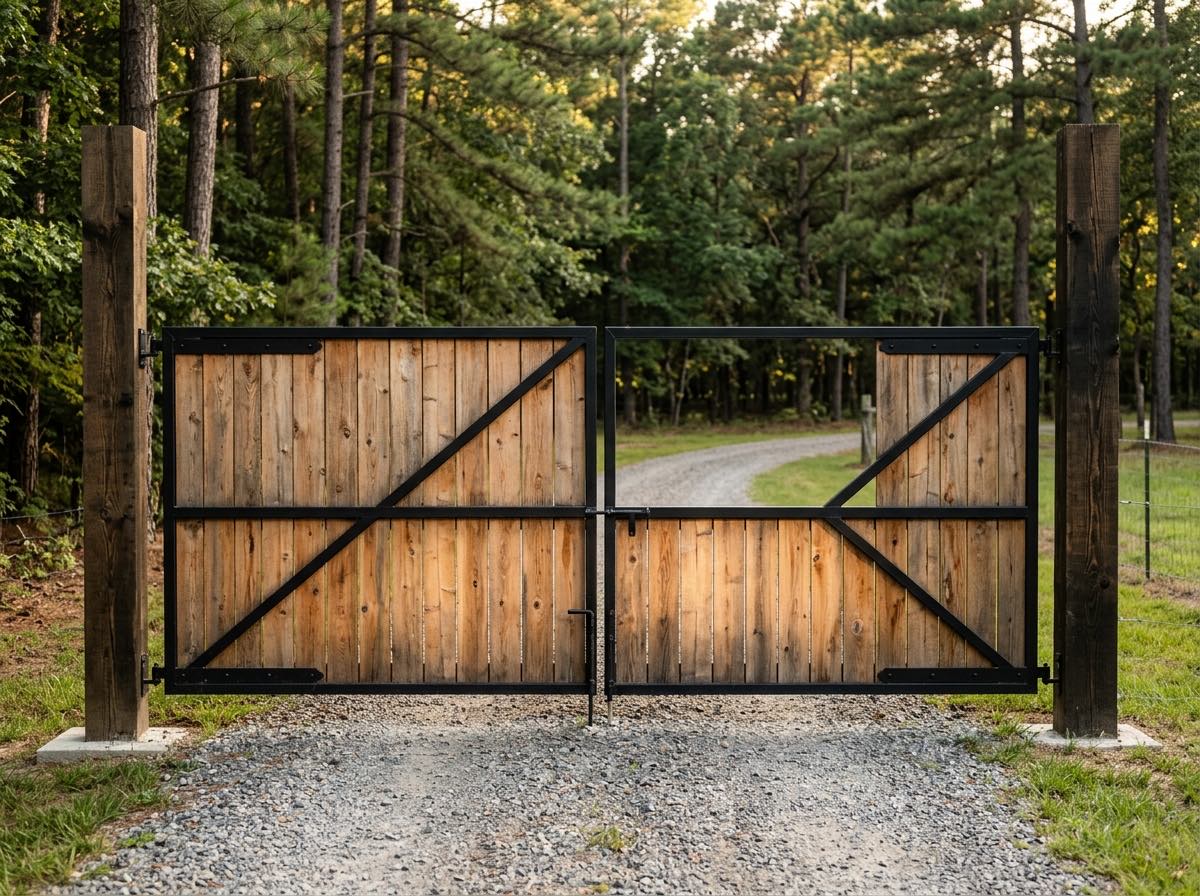
Walk and drive gates on steel frames, plus automatic openers.

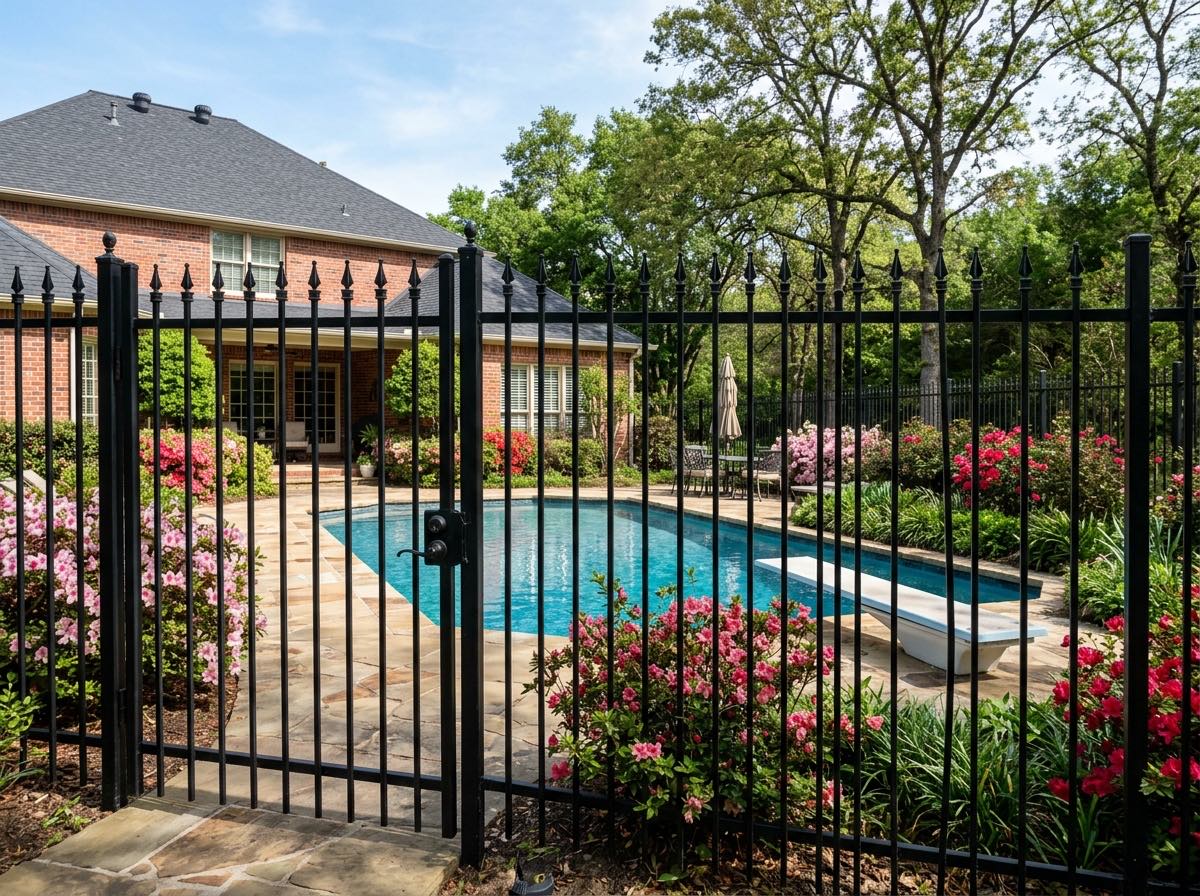
Ornamental iron and aluminum for front yards and pools.

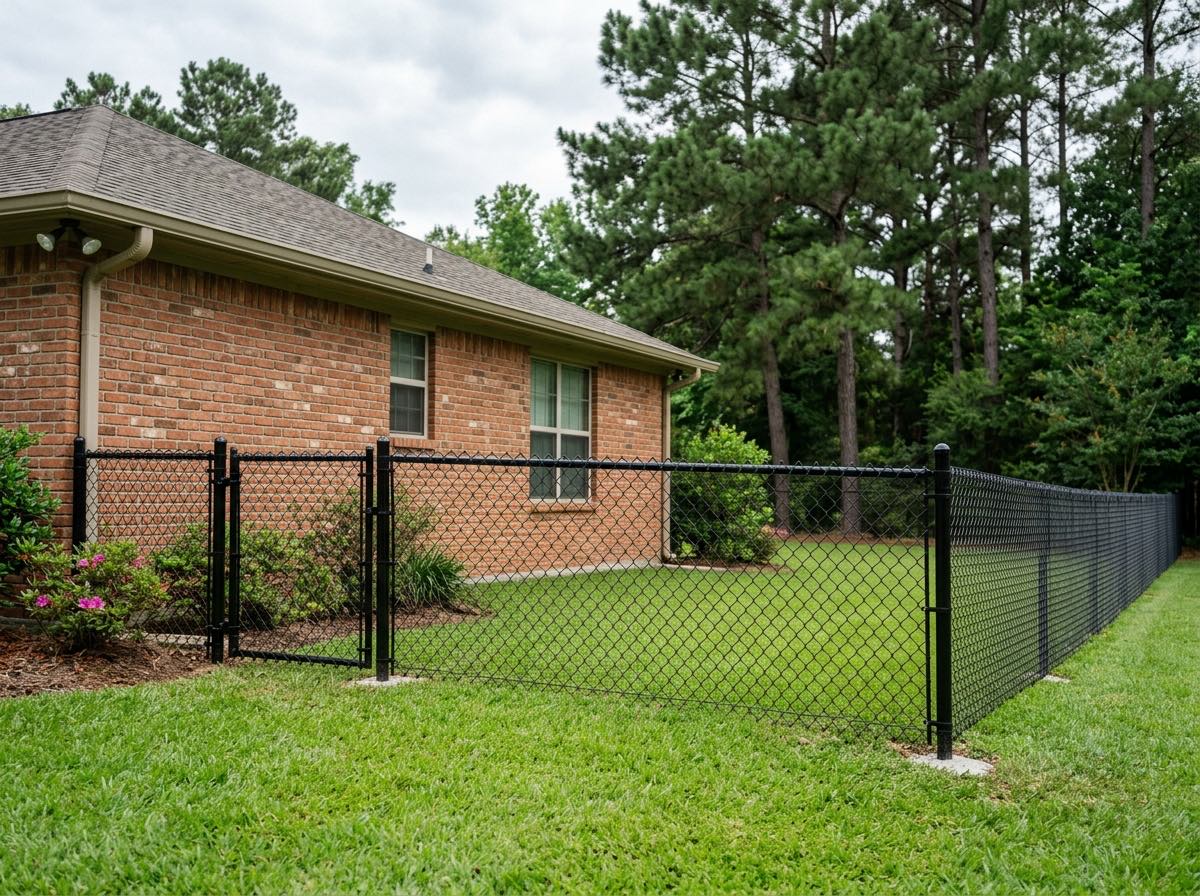
Galvanized or black vinyl-coated, for dogs, side yards and lots.

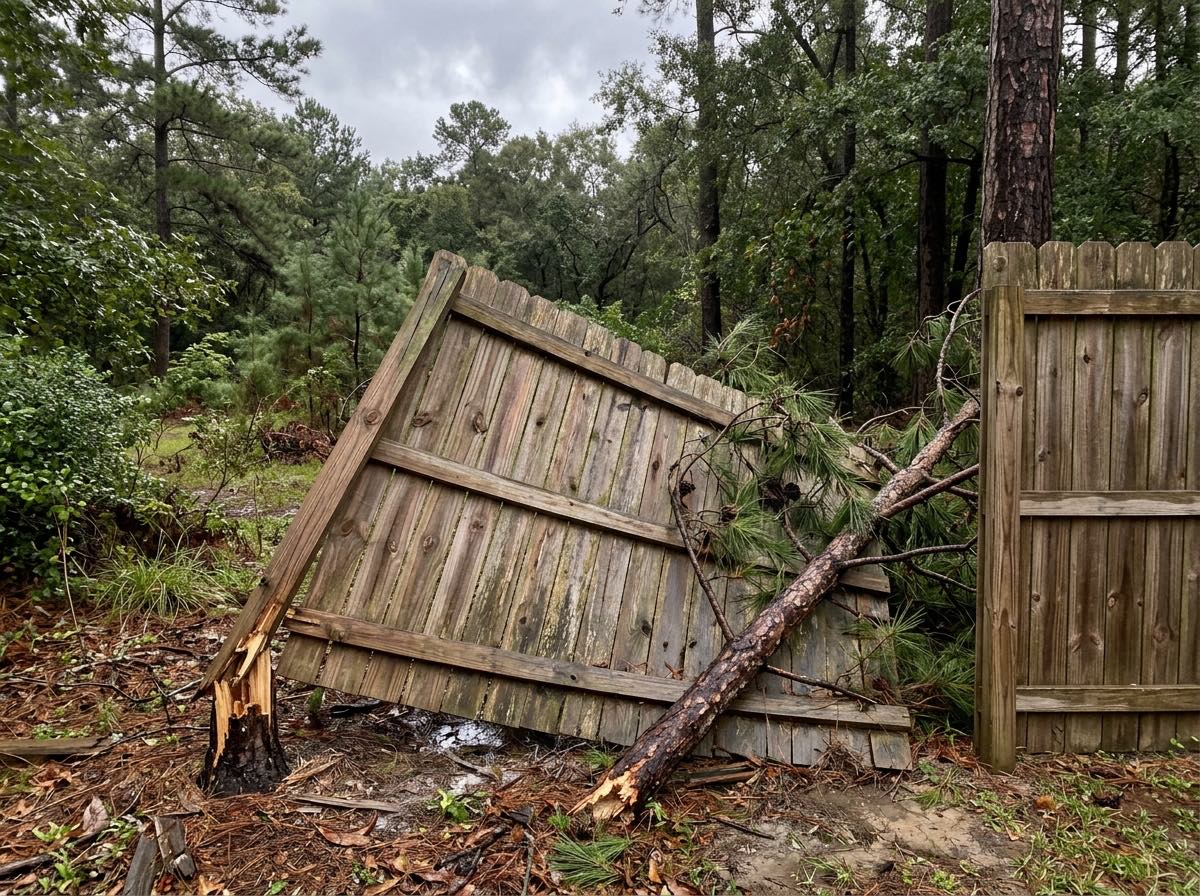
Leaning sections, rotted posts, storm damage and loose pickets.

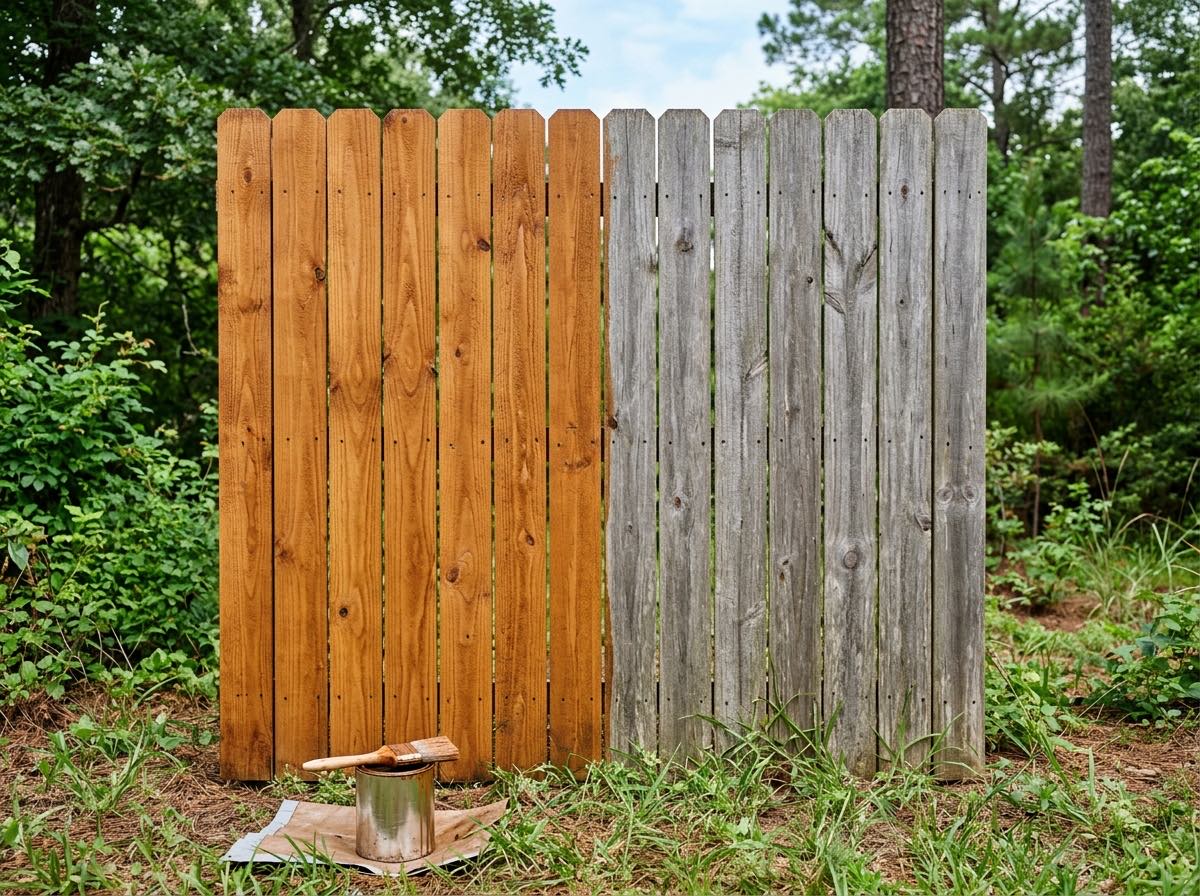
Cleaning, staining and sealing wood fences, new or weathered.
A plain comparison of the materials we install. We’ll walk the line with you and help you pick.
| Material | Best for | Upkeep | Watch for |
|---|---|---|---|
| Pine (treated) | Privacy on a budget, big backyards | Seal or stain every few years | Shrinking and twisting as new boards dry |
| Cedar | Privacy that looks finished, horizontal styles | Optional stain; turns silver-gray if left | Costs more than pine up front |
| Pipe and wire | Acreage, horses and cattle, long runs | Repaint pipe when rust shows | The line needs clearing before posts go in |
| Iron / aluminum | Front yards, pools, HOA neighborhoods | Rinse; touch up steel where it chips | Pool gates must close and latch on their own |
| Chain link | Dogs, side yards, back lots | Almost none | No privacy unless slats are added |
No prices on purpose. Cost depends on length, height, gates, clearing and the ground, so every quote is measured on site.

Most fences that fail here fail at the post. We build for Smith County conditions, not a national spec sheet.
From the first call to a gate that latches.
We walk the fence line, mark gates and corners, and note slopes, trees and drainage.
A written quote, itemized by material, posts, gates and removal of the old fence.
Texas811 is called so buried utility lines are marked before any post hole is dug.
Posts set in concrete, panels hung, gates adjusted, and the site cleaned up.
Tyler and the towns around it. Each area has its own page with what’s different about building a fence there.
Inside Loop 323 out to the Toll 49 corridor
Southeast on TX-110, and the Lake Tyler lots
North on US-69, across I-20
Gated lake community northwest, off FM 16
South on US-69, west to Lake Palestine
Southwest Tyler along Old Jacksonville Hwy
West on TX-31, Lake Palestine's east shore
Southeast on TX-110, town and acreage
South on US-69 in Cherokee County
East on TX-31 in Gregg County
Still unsure? Call and ask. We’ll give you a straight answer.
Inside Tyler city limits, a fence doesn't need a building permit, but it still has to meet the city's rules. In residential zones, front-yard fences are capped at 4 feet and must be at least 50% open, and side and rear fences can go up to 8 feet. The towns around Tyler have their own codes, so we check the rules for every address.
Property lines are set by a registered professional land surveyor. We build to your survey pins and won't guess a line. If the corners can't be found, get the lot surveyed before the fence goes in: a fence on the wrong side of the line is expensive to move.
Yes, on every job. Texas law requires an 811 locate at least 48 hours ahead, not counting weekends and holidays, before powered digging 16 inches or deeper, and every augered fence post goes deeper than that.
Tyler requires a pool on a single-family lot to be fully enclosed by a fence at least 4 feet tall, with no gaps over 4 inches and no wire fencing. Gates must close and latch on their own, with the latch on the inside top quarter of the gate.
Not unless they agree to. Texas law doesn't make a neighbor share the cost of a boundary fence. Taking down a shared or attached fence needs the neighbor's consent or six months' written notice.
Pine costs less up front and needs sealing to last. Cedar costs more, holds its shape better as it dries, and resists rot and insects on its own. We can quote both on the same fence line so you can compare.